

LGBTQIAP+ | Is Queer Romance Possible?

For a long time, we were told no. That LGBTQIAP+ love was too much — too strange, too tragic, too impossible. That it didn’t belong in the big stories. That it could only exist in specific corners of literature, like an appendix or an afterthought. But the truth is simple and non-negotiable: queer romance is not only possible — it’s necessary.
Queer theory, over the last few decades, has given us the tools to understand this erasure. Thinkers like Michel Foucault and Eve Kosofsky Sedgwick show us that sexuality has always been a field of control, normalization, and exclusion. Foucault reminds us that discourse on sex is never neutral — it’s historically constructed to maintain power structures. Sedgwick reveals how systems of oppression operate through silence, through subtext. This directly affects how queer bodies and affections are represented — or erased — in literature, film, soap operas, and comics.
When queer characters do appear, they are often caricatures, tragic figures, or comic relief. Rarely protagonists. Almost never with a happy ending. Their romances are treated as deviations, their sexualities as conflicts, their bodies as fetishes or threats. It’s as if we can only exist through pain, exaggeration, or mockery.
It’s exhausting.

LGBTQIA+ series are cancelled at an alarming rate. Death, prejudice, HIV, and suffering dominate queer award-winning narratives, as if we’re incapable of leading stories about love, heroism, or redemption. As if LGBTQIAP+ joy were unacceptable.
But we know: that’s not all we are.
And that’s why I write.
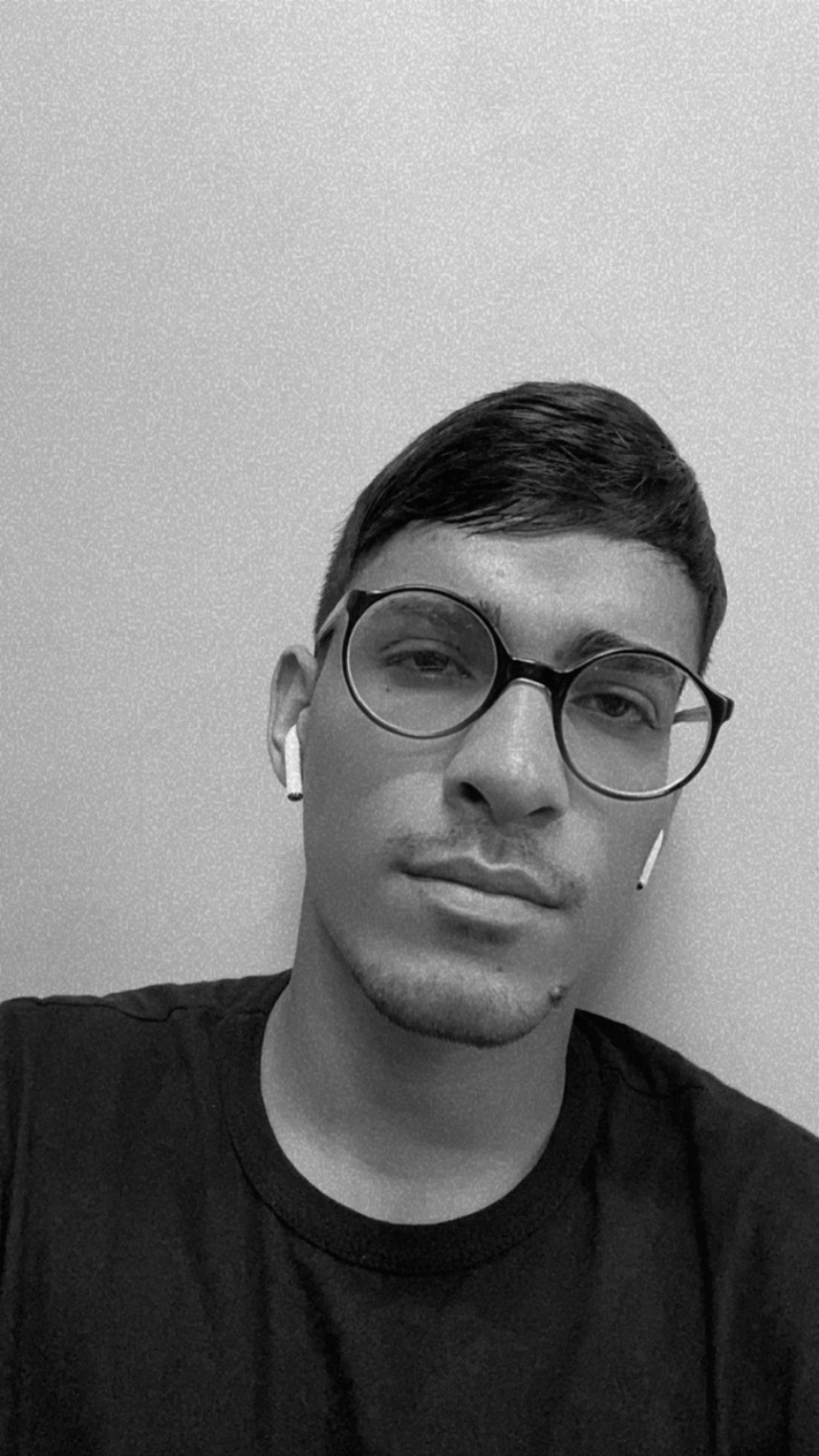
I write stories with queer protagonists because I want — and need — to see myself. I want to create LGBTQIAP+ characters who love, who fight, who win. Who grieve, yes, but who also dance. Who face loss, pain, and fear — but who are also allowed glory, affection, laughter, and a future.
I want queer characters to be just as complex, compelling, and unforgettable as any other protagonist in major franchises. Why not a queer hero who saves the world? Why not the knight, the mage, the detective, the special agent? Why not a queer love story that’s epic, bold, and unapologetic?
Writing queer love and queer lives isn’t something restricted to the romance genre. It belongs in fantasy, in horror, in action, in drama, in science fiction. We are not side characters in our existence. We are protagonists, world-builders, infinite possibilities.
Queer romance is not only possible.
It is urgent.
It is resistance.
It is the future.

Comentários